Description
About this guide
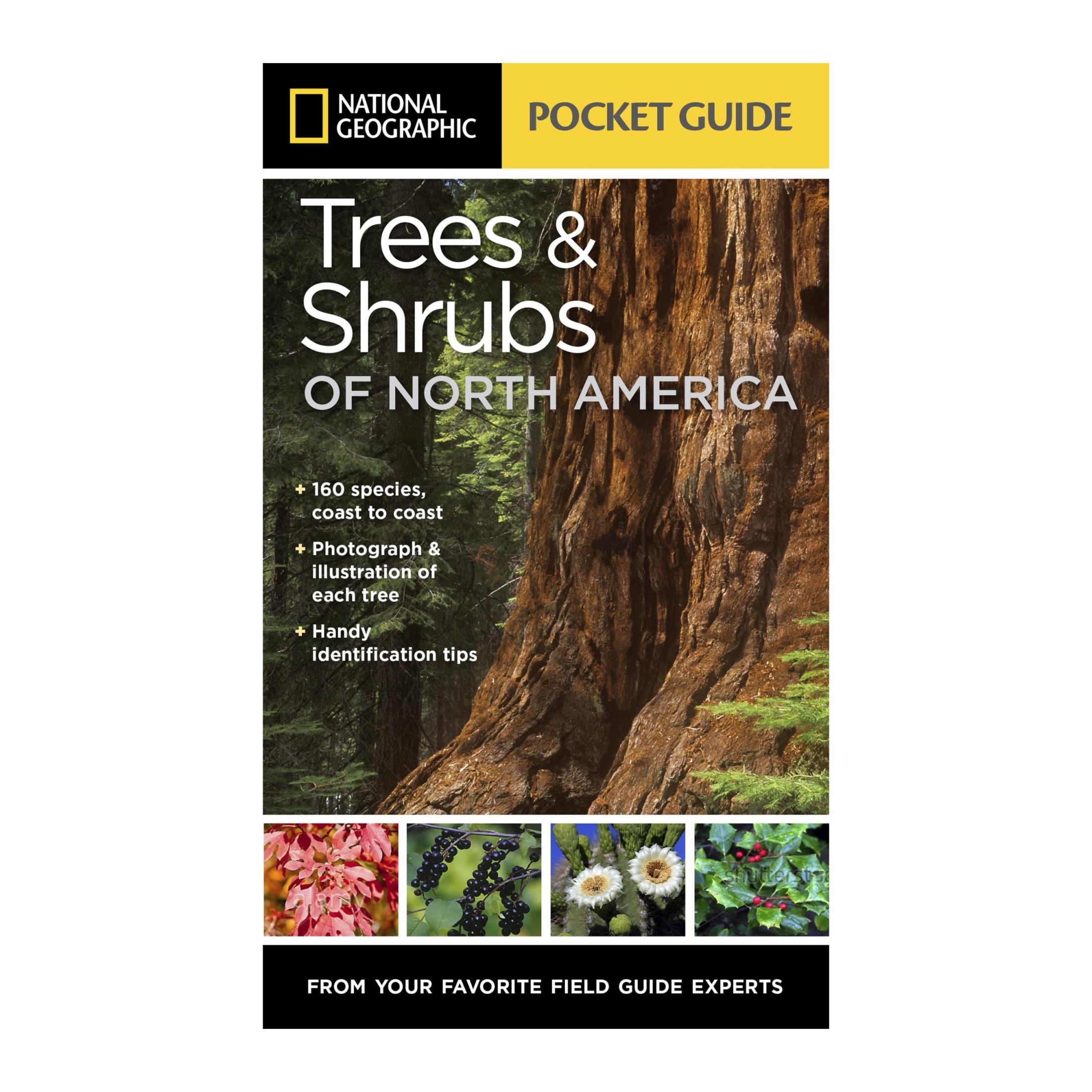
The National Geographic Pocket Guide to Trees and Shrubs of North America is a compact field guide written by Bland Crowder, associate director and editor with the Flora of Virginia Project. Published in March 2015, it is part of National Geographic’s Pocket Guide series, which covers birds, mammals, night sky, rocks and minerals, and wildflowers in the same format. If you’ve used any of those guides, this one works exactly the same way: organized for quick reference, loaded with photographs and commissioned illustrations, sized to fit in a jacket pocket or daypack.
Crowder’s background is in botany and field identification. That shows in how the guide is organized. Each species entry leads with the details you need in the field: leaf shape, bark texture, growth form, range, and habitat. The guide covers the species you’re most likely to encounter across North America, from eastern forests to Great Plains woodlands to the ponderosa pine stands and bur oak savannas of the Black Hills.
What’s inside
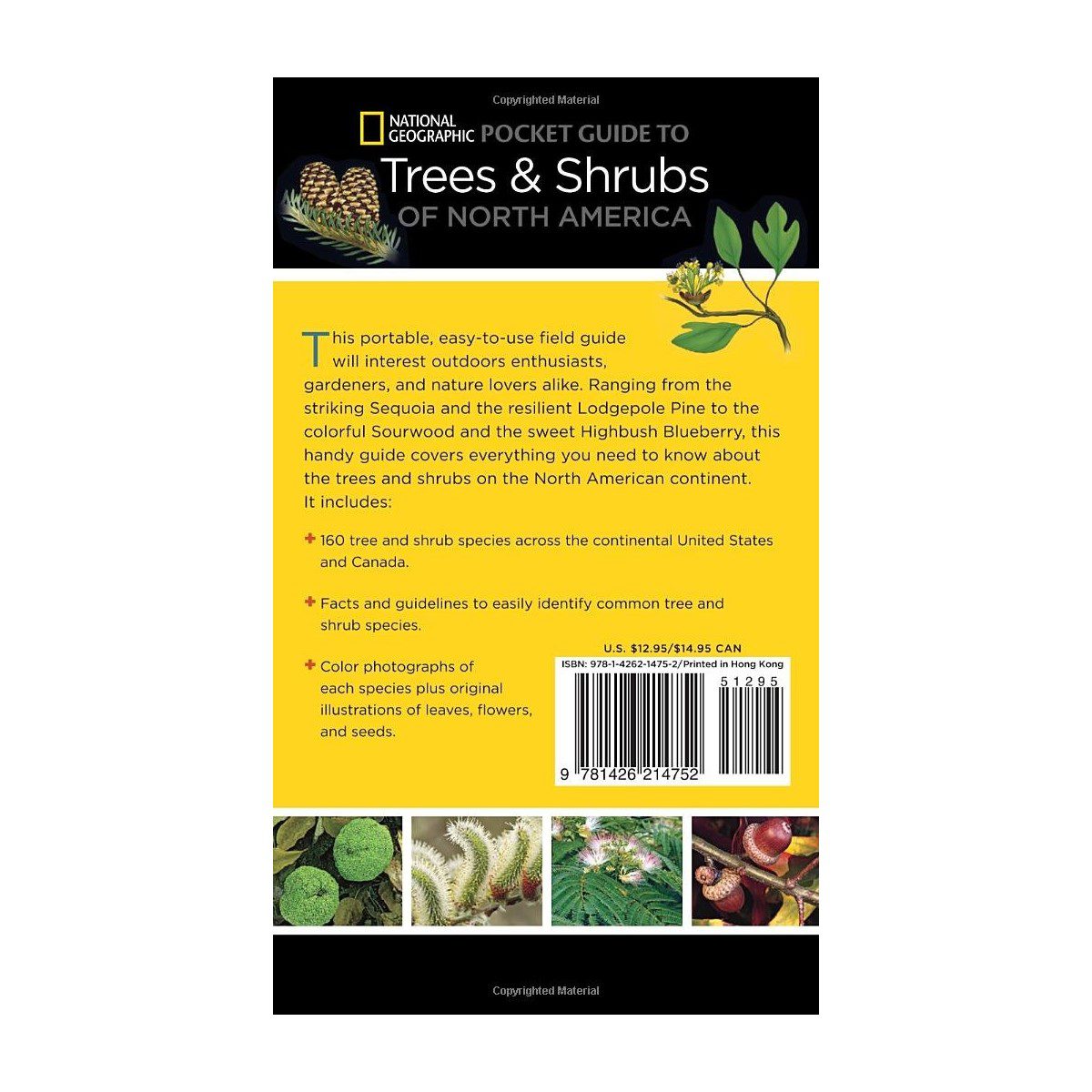
The 182-page guide includes:
- Color photographs for species identification
- Newly commissioned illustrations by Jared Travnicek
- Key facts per species: range, habitat, bark, leaves, flowers, fruit, and seasonal changes
- Coverage of both trees and woody shrubs commonly encountered across North America
- Organization by tree family and type for logical browsing
- Tips for distinguishing similar species
Specifications
- Pages: 182
- Dimensions: 4-1/4″ x 7-1/4″ x 7/16″
- Weight: 7.4 oz
- Binding: Paperback
- Publisher: National Geographic
- Author: Bland Crowder
- Illustrator: Jared Travnicek
- ISBN-13: 978-1-4262-1475-2
- Published: March 2015
A guide that works in the Black Hills
The Black Hills are a botanically interesting place. At their center, ponderosa pine dominates the higher elevations, sometimes growing in dense stands, sometimes mixed with white spruce. Bur oak holds the lower, drier slopes where pine thins out. Along creeks and canyon bottoms, plains cottonwood and green ash fill in the riparian zones. Rocky Mountain juniper appears on dry, rocky slopes throughout. These are all species covered in this guide, and all of them are species you’ll walk past on trails in Wind Cave National Park or in the Black Hills National Forest.
Wind Cave’s above-ground landscape is a mix of mixed-grass prairie and ponderosa pine forest. The park runs interpretive programs on its ecosystems, and a pocket tree guide is exactly the kind of reference that makes those programs more useful. At 7.4 oz, it adds nothing meaningful to a daypack.
Who is this for?
Visitors to Wind Cave, Jewel Cave, or the Black Hills National Forest who want to know what they’re walking through. The Black Hills have a recognizable flora, and most visitors can identify ponderosa pine by the end of their first day. This guide takes you further: it distinguishes ponderosa from other western conifers, identifies the shrub layer below the trees, and covers the gallery species in the creek corridors. That context makes a hike different.
Hikers and outdoor regulars who want an authoritative but portable reference. The NatGeo Pocket Guide series has a consistent format across all titles, so if you’ve already used the Mammals or Birds guide on the trail, this one functions the same way. The series is widely used by park naturalists and outdoor educators for that reason.
A gift for anyone who spends time outside and notices plants. At $12.95 it works as an add-on alongside a trail map or park pass, and it’s specific enough to feel purposeful rather than generic.
Frequently asked questions
How many species does this guide cover?
The guide covers a broad range of commonly encountered trees and shrubs across North America, with color photographs and key facts for each species. National Geographic has not published a specific species count in the product listings. At 182 pages with species-by-species entries, it covers the trees and woody shrubs most hikers and outdoor visitors are likely to encounter. Check the table of contents in-store for the full list.
Does this guide cover the trees I’ll see in the Black Hills?
Yes. The Black Hills flora includes several species well represented in this guide: ponderosa pine, white spruce, bur oak, plains cottonwood, green ash, and Rocky Mountain juniper are all North American species found in the Black Hills National Forest and Wind Cave National Park. The guide is organized for general North American use, not region-specific, but those species are among the most common in the region.
Is this a good guide for beginners?
Yes. The NatGeo Pocket Guide series is aimed at people who want to learn without being overwhelmed. Each entry uses bulleted key facts rather than dense botanical descriptions. Bland Crowder’s background is in field botany, and his writing assumes general curiosity rather than prior expertise. If you can identify a tree as a pine versus an oak, this guide will take you much further from there.
How does this compare to the Peterson or Sibley tree guides?
Peterson and Sibley tree guides are more comprehensive, heavier, and better suited to working systematically through a large species list. This NatGeo guide is more practical for day use in the field: smaller, lighter, easier to flip through quickly. If you’re hiking in the Black Hills and want to identify what’s growing around you, this guide is the more useful tool. If you’re surveying vegetation across multiple ecosystems and building a life list, a larger regional guide will serve you better over time.
Does this guide cover shrubs as well as trees?
Yes. The title says “Trees and Shrubs,” and the guide covers woody shrubs alongside trees. This matters in places like the Black Hills where the shrub layer (chokecherry, serviceberry, common juniper) is a significant part of the landscape and often what hikers are actually looking at.
Does buying this support the parks?
Yes. BHPFA is the official nonprofit partner of Wind Cave National Park, Jewel Cave National Monument, Scotts Bluff National Monument, and Agate Fossil Beds National Monument, as well as the Black Hills National Forest and Nebraska National Forests and Grasslands. Proceeds from every purchase support education programs, conservation projects, and visitor services at these sites.
Are there other guides in this series at BHPFA?
Yes. BHPFA carries six titles in the National Geographic Pocket Guide series. See the list below.
Other titles in the National Geographic Pocket Guide series at BHPFA
- National Geographic Pocket Guide to the Birds of North America
- National Geographic Pocket Guide to the Mammals of North America
- National Geographic Pocket Guide to Rocks and Minerals of North America
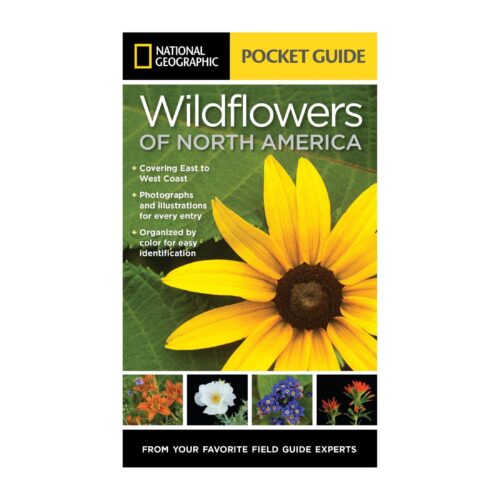
- National Geographic Pocket Guide to Wildflowers of North America
- National Geographic Pocket Guide to the Night Sky of North America