Skip to content

Plan your visit

Wind Cave National Park

Wind Cave National Park • Hot Springs, South Dakota

Wind Cave National Park: the prairie above, the cave below

One of the most complex cave systems on Earth runs beneath one of the last great mixed-grass prairies in the United States. You can stand in both worlds in a single afternoon.

Where
SW South Dakota
11 mi north of Hot Springs
Established
1903
eighth U.S. national park
Entrance fee
Free
cave tours ticketed
Cave mapped
150+ mi
new passages found yearly
Cave temp
54°F
constant, year-round
Managed by
NPS
BHPFA partner
Cave tours are the only way underground, and tour ticket sales are cashless (credit, debit, or digital payment only). Summer tours often sell out by mid-afternoon. Reserve standard tours on Recreation.gov; the Candlelight, Wild Cave, and Accessibility tours book by phone at 605-745-4600.

Wind Cave National Park protects two worlds at once. Above ground, rolling mixed-grass prairie runs to the horizon, grazed by bison and patrolled by prairie dogs. Below it, one of the most complex cave systems on Earth winds through the rock: more than 150 miles of mapped passages stacked into a three-dimensional maze. The two could not be more different, and they are forever connected.

The connection made history. When President Theodore Roosevelt established Wind Cave in 1903, it became America’s eighth national park and the first anywhere created specifically to protect a cave. The park now spans 33,851 acres of the southern Black Hills, and it still works the way it did then: the prairie is free to everyone, and the cave is reached only with a ranger.

What sets Wind Cave apart is how much converges here. For the Lakota people, this is Maka Oniye, or Breathing Earth, the sacred site of their emergence into the world. For geologists, the cave holds more boxwork than all other caves on Earth combined. For wildlife watchers, this is where bison were returned to their native range after near-extinction. This page is your way into all of it, and it points to the shorter guides that go deeper: the cave and its geology, the Lakota significance, the trails and wildlife above, and how to plan a tour.

Night skies above the prairie

You don’t need a cave ticket for an evening on the surface. Wind Cave’s surface is open 24 hours, but the visitor center has separate hours and weather can close roads. Check NPS alerts and road conditions before you leave.

For a first visit, scout the open prairie at Bison Flats along US 385 before dusk. Look for a signed wayside pullout and confirm that specific stop with park staff before an evening visit. NPS suggests wayside pullouts for after-dark listening; your view of the stars will depend on clouds, moonlight, and where you stop. Use designated parking and keep your tripod clear of traffic.

The park’s access and photography rules still apply after dark. The visitor center picnic area closes 30 minutes after sunset. Don’t use roadside pullouts for overnight parking, sleeping, or camping. Don’t spotlight wildlife or use a drone. Keep at least 25 yards from wildlife, with more room for bison. Bring warm layers and a light, and leave if wildlife approaches.

Before planning a long photo session or using a particular pullout, call 605-745-4600 during visitor center hours to confirm access. A 24-hour park is not a promise that every road, parking area, or building is open.

Looking for a guided outing? Find current night-sky programs or check the Wind Cave ranger calendar. Program dates change with the season.

What is Wind Cave National Park?

Wind Cave National Park is a 33,851-acre national park in southwestern South Dakota, about 11 miles north of Hot Springs and 50 miles south of Rapid City, where US Highway 385 and SD Highway 87 intersect near the visitor center. It protects one of the largest remaining natural mixed-grass prairies in the United States and, beneath it, more than 150 miles of mapped cave passages, with new sections still being discovered every year.

The order of protection matters. The cave came first: when the park was established in 1903, it was the first national park anywhere created specifically to protect a cave, and the prairie above was preserved along with it. That is why a single afternoon here can swing from a bison herd on open grassland to a cave passage lined with honeycombed rock, without ever leaving the park.

The world below: a maze lined with boxwork

Wind Cave is one of the world’s most complex cave systems. Its more than 150 miles of mapped passages do not stretch out in a line; they stack and interweave into a three-dimensional maze, and survey teams keep adding to the map every year. The cave stays a constant 54°F (12°C) year-round, whatever the season is doing on the prairie, so a light jacket earns its place in your pack even in July.

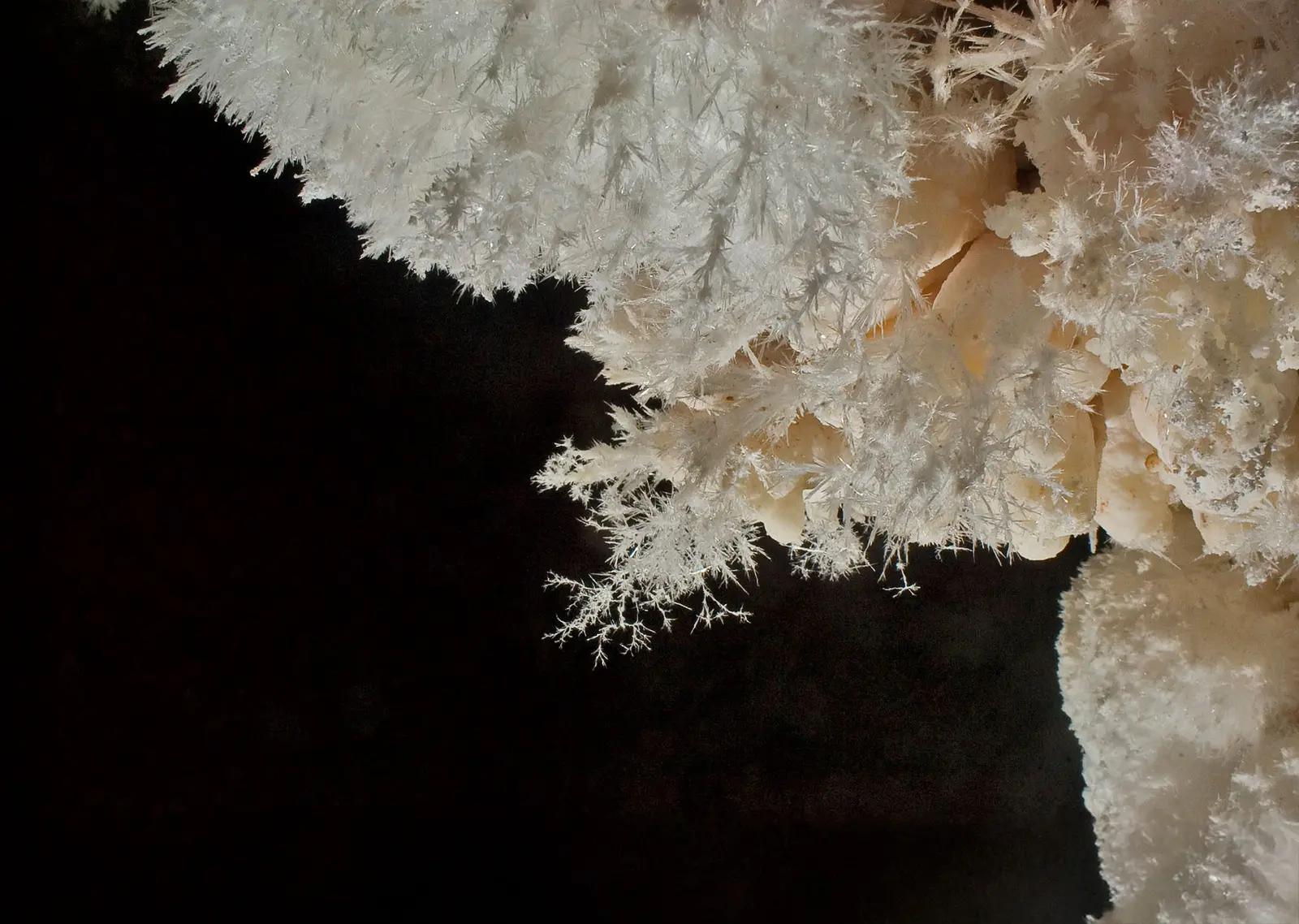
The signature formation is boxwork: thin, honeycomb-like fins of calcite that project from the cave’s ceilings and walls. Wind Cave holds more boxwork than all other caves on Earth combined, which is why photos of those box-shaped webs have stood in for the whole park since the 1890s. How the boxwork formed, and why the cave appears to breathe at its natural entrance, is the subject of its own guide: Wind Cave geology 101.

Planning your cave tour

Start with time and stairs, then check the ticket cost for everyone in your group. Even the shortest standard walking tour has stairs.

TourTime and stairsTicket pricesBooking
Garden of Eden1 hour, 150 stairs$14 ages 16 to 61; $7 ages 6 to 15 and 62+Recreation.gov or same-day tickets
Natural Entrance1 hour 15 minutes, 300 stairs$16 ages 16 to 61; $8 ages 6 to 15 and 62+Recreation.gov or same-day tickets
Fairgrounds1 hour 30 minutes, 450 stairs$16 ages 16 to 61; $8 ages 6 to 15 and 62+Recreation.gov or same-day tickets
Candlelight2 hours, 424 stairs; summer$16, ages 8 and upCall the park
Wild CaveUp to 4 hours; crawling; summer$45, ages 16 and upCall the park
Accessibility30 minutes, zero stairs$6 ages 16 to 61; $3 ages 6 to 15 and 62+Call the park

Children 5 and under are free on Garden of Eden, Natural Entrance, Fairgrounds, and Accessibility tours. Tickets are required. Tour schedules change with the season. Check current NPS fees and the final total before paying.

Book Wind Cave tours at Recreation.gov, or read how to reserve a cave tour. Call 605-745-4600 for Candlelight, Wild Cave, and Accessibility tours. The Wind Cave tour guide has the full routes and requirements.

The world above: prairie, bison, and open country

Above the cave, the park protects one of the largest remaining natural mixed-grass prairies in the United States: rolling grassland broken by forested hillsides, crossed by trails and scenic drives, and open all day, every day at no charge. It is habitat for the animals most people drive to South Dakota hoping to see, including bison, elk, pronghorn, and prairie dogs.

The bison matter beyond the photo stop. Wind Cave is where conservation history was made when bison were returned to their native range after near-extinction, and several hundred roam the park today. For trail-by-trail advice and where to look for wildlife, see trails and wildlife on the prairie above the caverns; for the longer story of the herd and its neighbors, see wildlife conservation at Wind Cave.

Maka Oniye: the cave’s Lakota significance

For the Lakota people, this is Maka Oniye, or Breathing Earth, the sacred site of their emergence into the world. The visitor center’s exhibit rooms include displays on Lakota culture and the cave’s spiritual significance, and they are worth your time before you go underground.

That story belongs to the Lakota and to the National Park Service interpretation, not to us, so we point you to the park’s exhibits, to nps.gov/wica, and to our guide to the cave’s Lakota significance and cultural heritage rather than retelling it ourselves.

The visitor center: your first stop

The historic Wind Cave Visitor Center, built in the 1930s by the Civilian Conservation Corps, is the hub for everything in the park. Inside you will find the information desk, cave tour ticket sales and scheduling, exhibit rooms on cave geology and prairie ecology, the displays on Lakota culture, a 20-minute orientation film called “Wind Cave: Two Worlds,” maps and backcountry permits, and the Black Hills Parks & Forests Association park bookstore. Restrooms, water fountains, and a first-aid station round it out.

The building is fully wheelchair accessible, including the exhibits and theater, and it is where you will find the park’s NPS Passport stamp. It is open every day except Thanksgiving, Christmas Day, and New Year’s Day, on this schedule (Mountain time): through September 30, 2026, 8:00 am to 5:00 pm; October 1, 2026 to April 4, 2027, 8:00 am to 4:30 pm; April 5 to May 21, 2027, 8:00 am to 5:00 pm; May 22 to September 7, 2027, 8:00 am to 6:00 pm. The park surface itself is open 24 hours a day. Cave tour times change with the season, so check tour availability at nps.gov/wica or 605-745-4600. In summer, come early: tour tickets frequently sell out by mid-afternoon.

Hours confirmed against the National Park Service on September 8, 2026. We run the park store inside this visitor center, so if you ever find this out of date, tell us at [email protected] and we will fix it.

When to come, and what the weather does

Wind Cave rewards a visit in any season, and each one plays differently:

  • Summer (June to August): peak season, with every cave tour running, the warmest hiking weather, and active wildlife. This is also when tours sell out by mid-afternoon.
  • Fall (September to October): fewer crowds, pleasant hiking weather, and autumn color in the forested areas.
  • Winter (November to March): limited cave tour options, but peaceful scenery and wildlife viewing against the snow.
  • Spring (April to May): wildflowers begin blooming, baby wildlife appears, and crowds are still minimal.

Surface temperatures swing hard by season, from summer highs that can top 90°F to winter lows well below freezing, while the cave holds its 54°F all year. Whatever the month, pack a light jacket for the tour and sturdy, non-slip shoes.

If Wind Cave is one stop on a bigger loop, its sister cave park, Jewel Cave National Monument, is reached via US 385 and US 16 through Custer. Check the drive for your travel day and leave room for wildlife delays and each park’s check-in time. The road trips guide connects the park to the rest of the Black Hills and beyond.

Common questions about visiting Wind Cave

How much does it cost to visit Wind Cave National Park?
Nothing at the gate. Wind Cave has no entrance fee, and the prairie, trails, and scenic drives are free year-round. The cave is different: the only way underground is a ranger-guided tour, and tours are ticketed, with prices varying by tour type and length. Tour ticket sales are cashless, so bring a credit or debit card or a digital payment method.
Can you see the cave without a tour?
No. The cave is open only on ranger-guided tours, which start at the visitor center. In summer, tours frequently sell out by mid-afternoon, so buy tickets early in the day or reserve standard tours ahead on Recreation.gov. The surface of the park, by contrast, is open all day, every day.
Which Wind Cave tour should I take?
The Natural Entrance Tour is the most popular first-timer pick: 1 hour 15 minutes and 300 stairs past the boxwork the cave is famous for. The Garden of Eden Tour is the shorter, gentler option at about an hour and roughly 150 stairs. The Fairgrounds Tour is the longest walking tour at 1 hour 30 minutes and 450 stairs across two levels of the cave. In summer, the Candlelight Tour (ages 8 and up) and the four-hour Wild Cave Tour (ages 16 and up) add atmosphere and adventure, and a 30-minute Accessibility Tour serves visitors who cannot do stairs. The tour-picker guide compares all of them.
How cold is Wind Cave?
The cave holds a constant 54°F (12°C) year-round, whatever the weather is doing on the prairie above. Bring a light jacket even in July, and wear sturdy, non-slip walking shoes on every tour.
Is Wind Cave wheelchair accessible?
The visitor center is fully wheelchair accessible, including the exhibits and theater. In the cave, the park offers a dedicated Accessibility Tour: about 30 minutes, elevator down, a level route with zero stairs, for $6. Book it by phone at 605-745-4600 up to 3 days ahead.
What are the visitor center hours?
The visitor center is open every day except Thanksgiving, Christmas Day, and New Year’s Day. Through September 30, 2026 it runs 8:00 am to 5:00 pm; October 1, 2026 to April 4, 2027, 8:00 am to 4:30 pm; April 5 to May 21, 2027, 8:00 am to 5:00 pm; and May 22 to September 7, 2027, 8:00 am to 6:00 pm. All times are Mountain. The park surface is open 24 hours a day. Cave tour times run on their own seasonal schedule, so check tour availability at nps.gov/wica or 605-745-4600 before you drive out. The park surface is open 24 hours a day.
What is the best time of year to visit Wind Cave?
Summer is peak season, with every cave tour running, the warmest hiking weather, and active wildlife; it is also when tours sell out by mid-afternoon. Fall brings fewer crowds, pleasant hiking, and autumn color in the forested areas. Winter offers limited tour options but quiet scenery and wildlife against the snow. Spring means wildflowers, baby wildlife, and small crowds.
What wildlife lives at Wind Cave National Park?
The park protects one of the largest remaining natural mixed-grass prairies in the United States, and it is habitat for bison, elk, pronghorn, and prairie dogs. Several hundred bison roam the park today, descendants of a conservation effort that returned the species to its native range after near-extinction. The conservation guide tells that story.
Is there an NPS Passport stamp at Wind Cave?
Yes. Wind Cave is a National Park Service site, and the Passport stamp is available at the visitor center, next to the park bookstore run by Black Hills Parks & Forests Association.
What does Wind Cave mean to the Lakota people?
For the Lakota people, this is Maka Oniye, or Breathing Earth, the sacred site of their emergence into the world. That story belongs to the Lakota and to the National Park Service interpretation, so we point visitors to the park’s exhibits, to nps.gov/wica, and to the park’s cultural heritage resources rather than retelling it ourselves.

Help keep both worlds thriving

Black Hills Parks & Forests Association is the nonprofit cooperating association at Wind Cave National Park. The visitor center bookstore, the online park store, and memberships fund interpretation, education, and Junior Ranger programs here, and proceeds support education, conservation, and visitor services at BHPFA partner parks and forests.

You can also donate or volunteer.

Every purchase supports this place

Shop the park stores

We run the bookstores inside the visitor centers. Field guides, maps, and gear, with proceeds going back into education, interpretation, and visitor services.

Shop the Parks Members save 15% on eligible purchases. Join for $30 a year.

Where we work

Explore the places we support

Explore our partner sites in the Black Hills and western Nebraska. Find visitor information and ideas for your trip.