Custer State Park, South Dakota
2026 Buffalo Roundup
Feel the prairie come alive as riders guide approximately 1,300 bison toward the corrals during one of the Black Hills’ most memorable annual traditions.
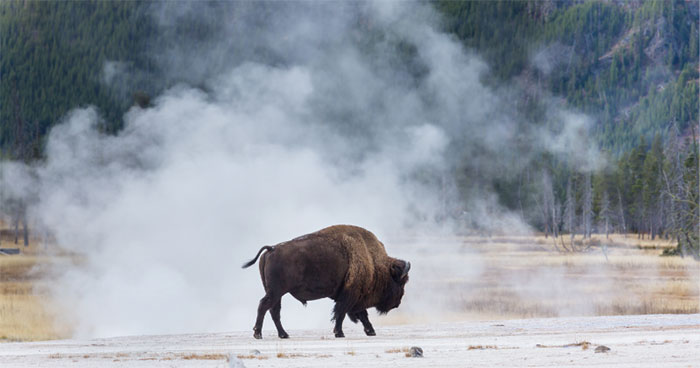
Imagine the earth trembling as a herd crests the horizon, dust rising behind it and hoofbeats carrying across the prairie. The Custer State Park Buffalo Roundup is not a staged Western scene. It is a working wildlife-management event, a gathering of thousands of visitors, and a living link to the conservation history of the American bison.
The roundup is operated by South Dakota Game, Fish and Parks. BHPFA does not organize the event, but our association serves nearby public lands where the bison story continues, including Wind Cave National Park.
Why the roundup happens
Custer State Park was established in 1912, protecting more than 71,000 acres of prairie, forest, and mountain landscapes. A small bison herd was introduced in 1914 as wildlife managers across the country worked to bring the species back from the edge of extinction. As the park herd grew, managers needed a safe way to balance the number of animals with the grassland available to support them.
The annual roundup began in 1965. Riders now gather most of the herd so park staff can assess its health and manage herd size. After the drive, a portion of the animals receives health checks, vaccinations, ear tags, and brands. The work is practical and necessary, but for spectators it is also an unforgettable view of skilled riders, powerful animals, and conservation in action.
Plan your roundup morning
Choose north or south
Decide on your viewing area before Friday morning. North viewing is approached from the State Game Lodge area on Wildlife Loop Road. South viewing is approached from Highway 87 near Blue Bell Campground. Vehicles leave by the same route they entered.
Expect an early start
Thousands of people arrive before sunrise. Allow extra time for slow traffic, parking directions, and the walk to your viewing place. The drive itself can move quickly or slowly depending on the bison.
Pack for prairie weather
Bring folding chairs or a blanket, binoculars, water, snacks, sunscreen, layered clothing, rain gear, and a scarf or bandana for wind and dust.
Plan for the departure
Visitors must stay in the designated areas until the herd is safely corralled. Expect delays as thousands of vehicles leave at roughly the same time.
From the BHPFA park store
Bring home a piece of the bison story
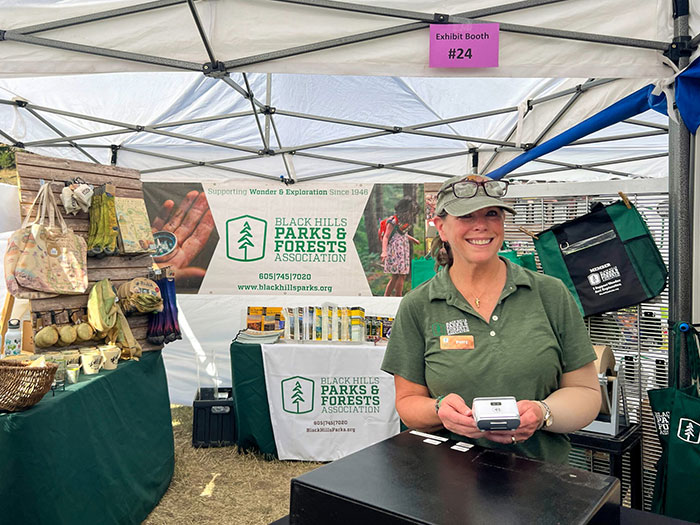
These currently in-stock favorites are among the stronger-selling bison products in BHPFA’s store. Every purchase helps support education, interpretation, and conservation work at the public lands we serve.
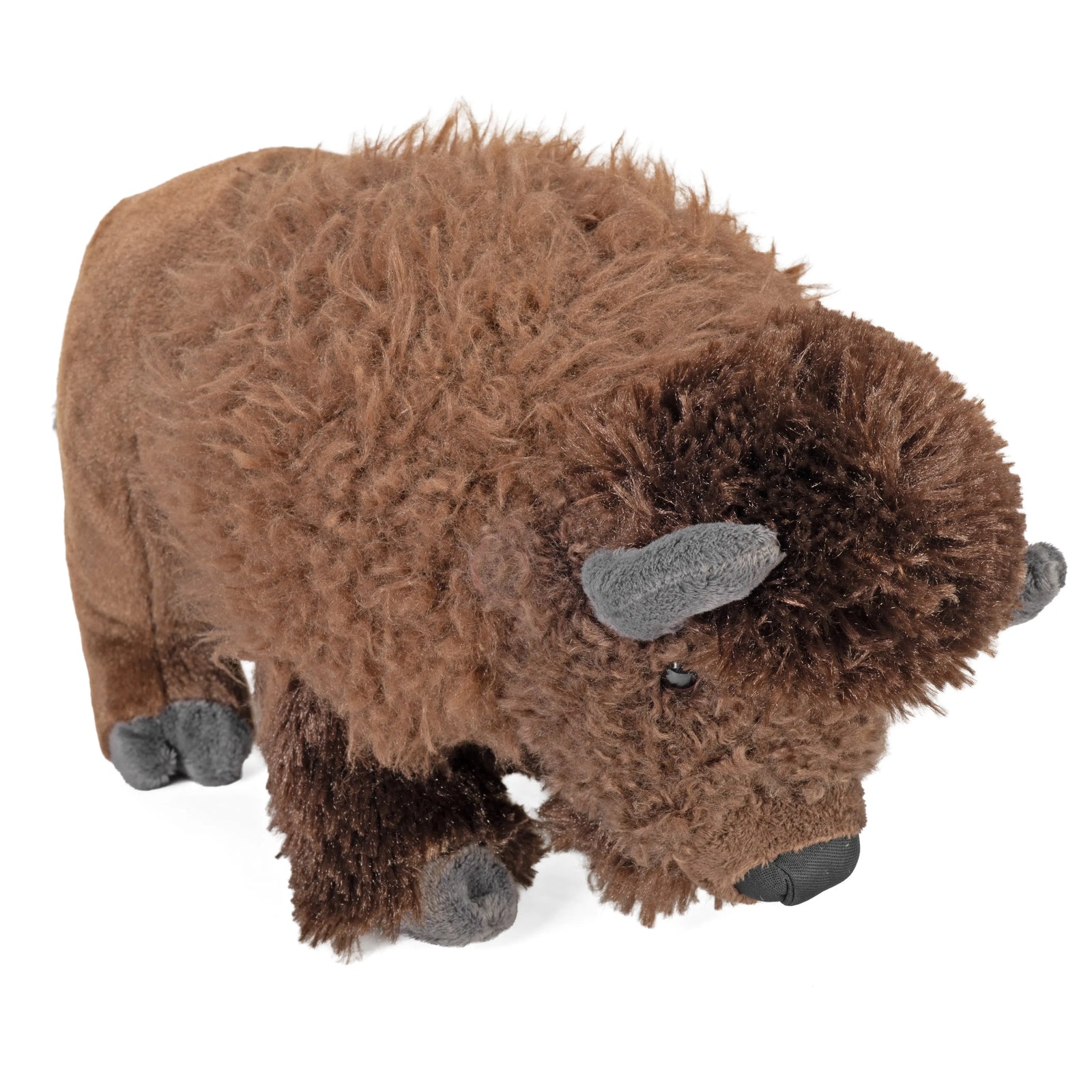
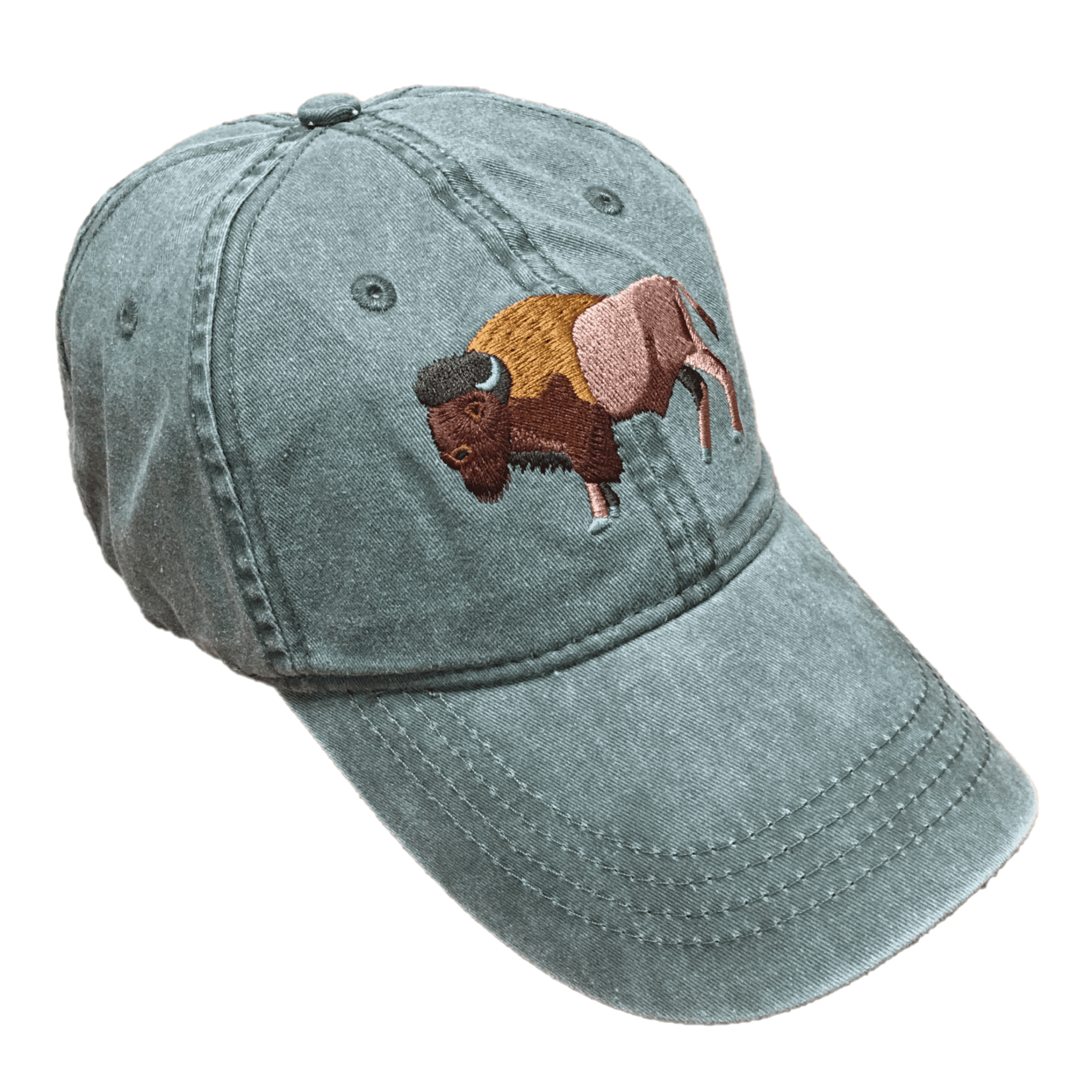
12-inch Bison Stuffed Animal
A visitor favorite and a soft reminder of the prairie herd.
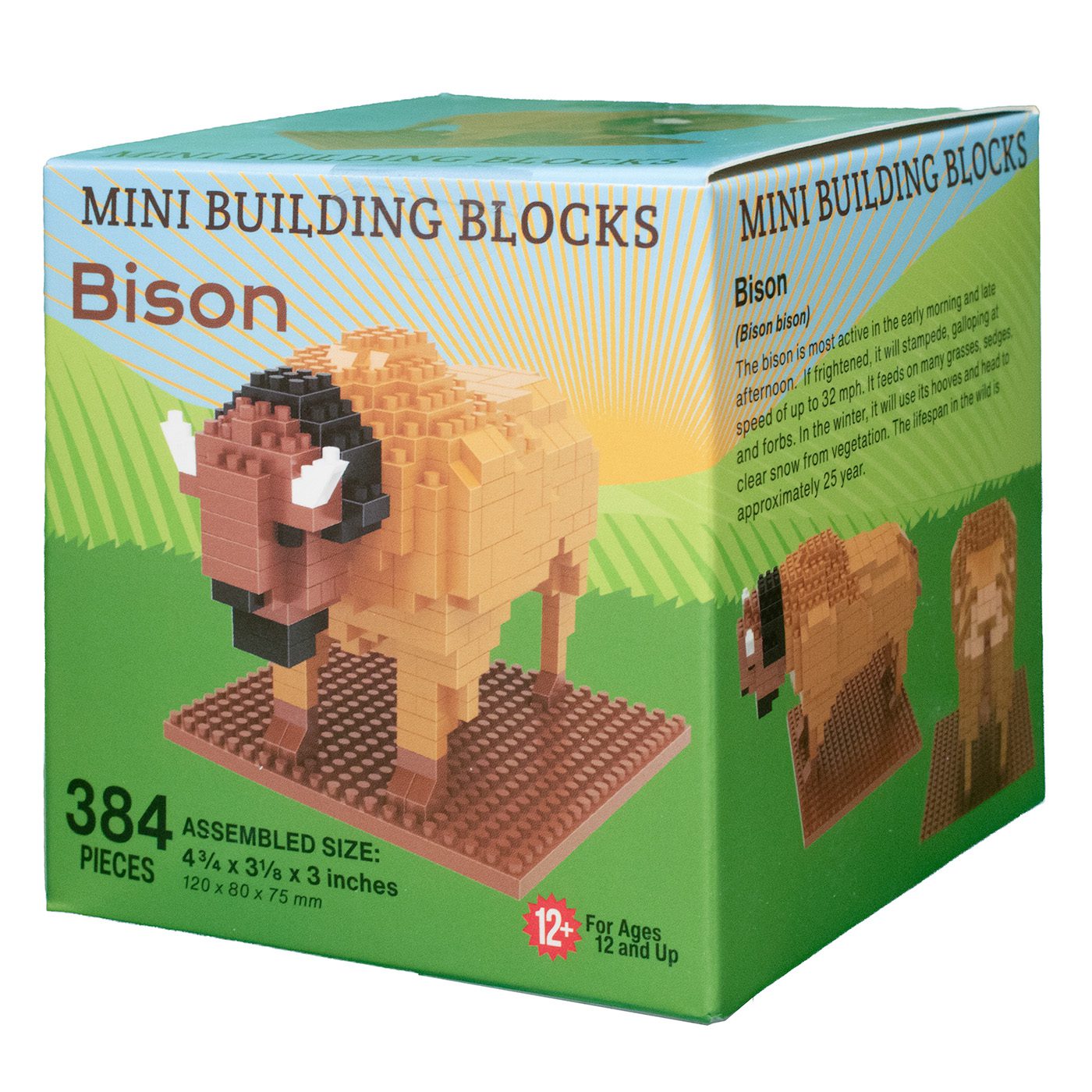
Bison Mini Building Blocks
A hands-on souvenir for builders and wildlife fans.
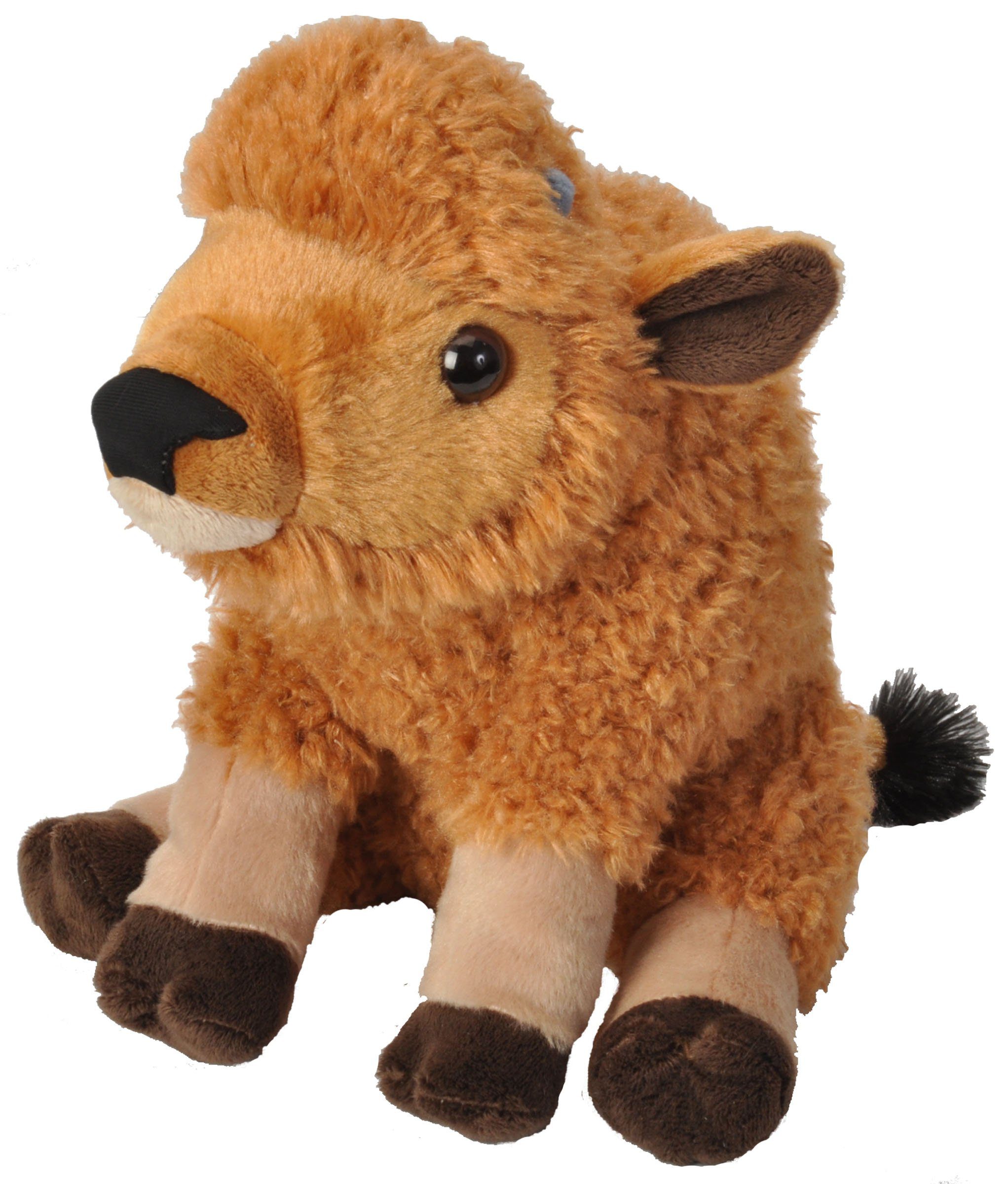
Adopt a Bison Plush Calf
A mission-connected gift inspired by the Wind Cave herd.
What to expect after the drive
Once the herd is safely in the corrals, visitors can make their way toward the corral area. From about 1 to 3 p.m., park staff plan to test, brand, and sort a portion of the herd. This closer look at the management process can be as interesting as the drive itself. The remainder of the herd is worked later in October.
Breakfast is available for purchase in both viewing areas beginning when parking opens. Lunch is served near the corrals after the roundup, also for a fee. Availability and timing can change, so bring your own water and snacks as a backup.
Buffalo Roundup Arts Festival
The 2026 Arts Festival runs Thursday, September 24 through Saturday, September 26 on the festival grounds across from the Peter Norbeck Outdoor Education Center. Up to 150 vendors bring fine art, photography, jewelry, woodwork, crafts, and South Dakota-made goods.
Live Western and Native American entertainment, family activities, food, and a Saturday pancake feed make the festival a worthwhile stop even after the herd has moved out of sight. Check the official event page for the current daily schedule before traveling.

Photography tips
Bring reach, not proximity
A 200 to 300mm telephoto lens is useful for closer views from a safe distance. A monopod can add stability without taking up as much room as a full tripod.
Use the whole landscape
Wide images and smartphone panoramas can capture the scale of the herd, riders, prairie, and crowd more honestly than a tight portrait alone.
Prepare for low light
The morning begins before sunrise. Charge batteries, clear memory cards, and know your low-light settings before you leave your vehicle.
Keep safety first
Never leave the viewing area or approach a bison for a photograph. Use your zoom and follow every instruction from park staff.
Make a Black Hills weekend of it
The roundup occupies one memorable morning, but Custer State Park and the surrounding Black Hills can fill several days. Build extra time into your trip so heavy roundup traffic does not force you to rush the rest of the park.
Wildlife Loop Road
Allow roughly 1.5 to 2 hours in ordinary conditions, and more when wildlife gathers near the road. Early morning and late afternoon are often rewarding times for a slow drive.
Needles Highway
Give the 14-mile scenic route at least 2 to 3 hours for overlooks, granite spires, and its famously narrow tunnels. Large vehicles should review restrictions first.
Iron Mountain Road
Plan 1.5 to 2 hours for pigtail bridges, tunnels, and carefully framed views toward Mount Rushmore.
Hiking
Cathedral Spires offers a shorter, moderate outing. Black Elk Peak is a longer and more strenuous objective that deserves most of a day.
Reserve park lodging or camping well in advance. If the park is full, Custer is the closest town, while Hill City and Rapid City offer broader lodging choices. Do not plan to camp overnight in the roundup viewing areas.
The wider Black Hills bison story
By the early 1900s, American bison had fallen from tens of millions of animals to fewer than a thousand. In 1913, fourteen bison from the New York Zoological Park arrived at Wind Cave National Park. The herd grew on the mixed-grass prairie and became an important source of animals for other conservation herds.
Wind Cave bison later contributed to the Custer State Park herd. Today, visitors can encounter bison throughout the year at both places, although sightings are never guaranteed. The roundup is one chapter in a much larger story about grasslands, wildlife, and long-term stewardship.
Continue with our Wildlife conservation at Wind Cave story, Wind Cave National Park guide, and Wind Cave tour-planning guide.
Safety, accessibility, and practical details
- Wildlife: Stay in designated areas, never approach a bison, and follow staff instructions. Bison are fast, powerful, and unpredictable.
- Pets: Leave pets at home when possible. If you must bring one, official event guidance says it must remain inside the vehicle.
- Campers: The park discourages bringing campers. Campers that do arrive should follow the north route and may be directed to an overflow lot with shuttle service.
- Mobility needs: Arrive early and identify your needs to parking staff. Contact Custer State Park before the event if you need current accessibility details.
- Weather: The event is outdoors and prairie conditions can change quickly. Pack for cold, sun, rain, wind, and dust.
- Drones: Do not launch a drone at the roundup. Follow all current Custer State Park rules for unmanned aircraft.
Check the official 2026 information before leaving
Traffic routes, viewing instructions, meal service, schedules, and event conditions can change. South Dakota Game, Fish and Parks is the authoritative source for roundup-day operations.
Buffalo Roundup questions
When is the 2026 Buffalo Roundup?
The roundup is Friday, September 25, 2026. Parking opens at 6:15 a.m. MT and the drive begins at approximately 9:30 a.m.
When is the 2026 Arts Festival?
The Buffalo Roundup Arts Festival runs September 24 through 26, 2026.
Which viewing area should I choose?
Both north and south areas provide views of the drive, but they use different access routes. Choose before roundup morning and follow the current traffic map and staff directions. All vehicles leave by the route they used to enter.
When will the herd reach the corrals?
The herd usually reaches the corrals around noon, but animals, terrain, and weather determine the pace. Visitors must remain in the viewing areas until staff release them.
Does BHPFA run the Buffalo Roundup?
No. South Dakota Game, Fish and Parks runs the roundup at Custer State Park. BHPFA supports education and conservation at nearby national park and national forest sites and offers related items through its park stores.
Where else can I see bison in the Black Hills?
Wind Cave National Park and Custer State Park both maintain bison herds. Sightings are never guaranteed. Stay in your vehicle when animals are near the road, give them plenty of space, and follow current park guidance.
Event dates and operating details were checked against the South Dakota Game, Fish and Parks Buffalo Roundup page on September 10, 2026. Always confirm details again shortly before your visit.