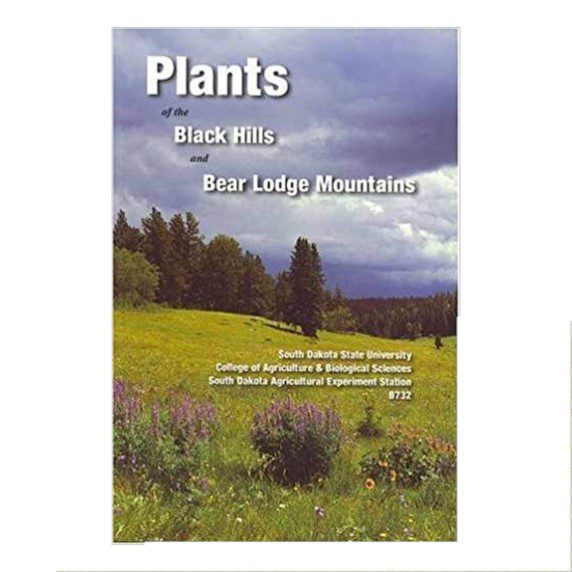
Plants of the Black Hills and Bear Lodge Mountains by Gary E. Larson and James R. Johnson
$44.99
Only 3 left in stock
Shipping calculated in cart/checkout: Shipping rates for first items start at $7, calculated based on weight of total order.
The standard field guide to the flora of the Black Hills and Bear Lodge Mountains. Around 600 plant species of western South Dakota and neighboring Wyoming, described and pictured in a single 608-page softcover, with notes on ecology, weediness, and traditional uses by American Indians.
- 608 pages, softcover, 6″ x 9-1/8″ x 1-1/2″, 38.7 oz
- Roughly 600 species of the Black Hills and Bear Lodge Mountains, western South Dakota and Wyoming
- Color photographs for every entry, organized by plant family
- By Gary E. Larson and James R. Johnson, published by South Dakota State University (2023 reprint)
- ISBN 978-0-9797182-0-5
- Proceeds support Jewel Cave National Monument and other BHPFA partner parks and forests.
Only 3 left in stock
60-day returns · Ships from South Dakota via USPS
Plants of the Black Hills and Bear Lodge Mountains by Gary E. Larson and James R. Johnson
$44.99
Only 3 left in stock
Shipping calculated in cart/checkout: Shipping rates for first items start at $7, calculated based on weight of total order.
The standard field guide to the flora of the Black Hills and Bear Lodge Mountains. Around 600 plant species of western South Dakota and neighboring Wyoming, described and pictured in a single 608-page softcover, with notes on ecology, weediness, and traditional uses by American Indians.
- 608 pages, softcover, 6″ x 9-1/8″ x 1-1/2″, 38.7 oz
- Roughly 600 species of the Black Hills and Bear Lodge Mountains, western South Dakota and Wyoming
- Color photographs for every entry, organized by plant family
- By Gary E. Larson and James R. Johnson, published by South Dakota State University (2023 reprint)
- ISBN 978-0-9797182-0-5
- Proceeds support Jewel Cave National Monument and other BHPFA partner parks and forests.
Only 3 left in stock
60-day returns · Ships from South Dakota via USPS
Real USPS rates, no markup. The money we save funds trail crews and internships.
Join BHPFA for $30 a year -> get your code by email in seconds. -> Use it at checkout today. Show your card at hundreds of nonprofit park stores nationwide for 10% off.
Every item is selected or approved by rangers and staff. Your purchase keeps them on the front lines.
Real USPS rates, no markup. The money we save funds trail crews and internships.
Join BHPFA for $30 a year -> get your code by email in seconds. -> Use it at checkout today. Show your card at hundreds of nonprofit park stores nationwide for 10% off.
Every item is selected or approved by rangers and staff. Your purchase keeps them on the front lines.
Description
About this field guide
Plants of the Black Hills and Bear Lodge Mountains is the standard, full-depth reference for anyone trying to identify plants in this corner of the northern Great Plains. It covers around 600 species from the Black Hills of western South Dakota and the Bear Lodge Mountains of northeastern Wyoming, ranging from the ponderosa pine belt and montane meadows to the prairie edges where the Hills meet the plains.
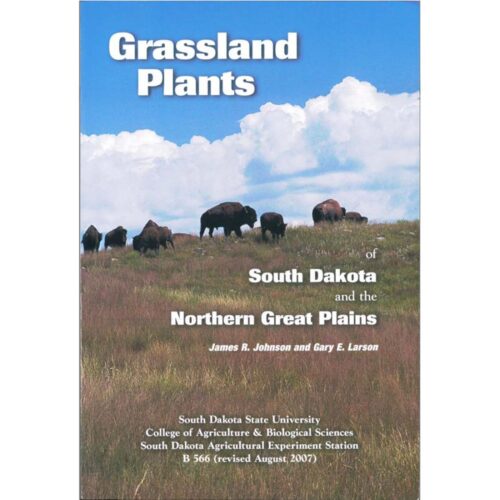
The book is by Dr. Gary E. Larson (SDSU biology professor and longtime curator of the university herbarium) and Dr. James R. Johnson (SDSU range science professor emeritus, who did most of the photography). It was first published in 1999 and is carried today as the 2023 reprint from South Dakota State University’s Agricultural Experiment Station. The guide is a companion to the same authors’ Grassland Plants of South Dakota, and together the two volumes cover most of the state’s vascular flora.
What’s inside
The 608-page guide includes:
- About 600 plant species of the Black Hills and Bear Lodge Mountains, organized by family
- Color photographs for every species entry
- A short descriptive paragraph per species covering identifying traits, habitat, and range
- Notes on ecological significance, including weediness and invasive status where relevant
- Traditional uses by American Indian peoples, where documented, including plants valued as food or medicine
- Coverage of trees, shrubs, grasses, sedges, forbs, ferns, and horsetails
Specifications
- Pages: 608
- Dimensions: 6″ x 9-1/8″ x 1-1/2″
- Weight: 38.7 oz
- Binding: Softcover
- Publisher: South Dakota State University (Agricultural Experiment Station)
- Authors: Gary E. Larson, James R. Johnson
- ISBN-13: 978-0-9797182-0-5
- Edition: 2023 reprint (first published 1999)
- Language: English
Who is this for?
Visitors to Jewel Cave, Wind Cave, and the Black Hills National Forest who want to know the names of the plants along the trail. This is the book park staff and regional botanists hand to curious guests. At 608 pages it is not a pocket guide, but it is the one you reach for back at camp or at the kitchen table when you want a definitive ID.
Residents of western South Dakota and northeast Wyoming. The Black Hills are an ecological island, and the flora is a surprising mix of Rocky Mountain, Great Plains, and eastern-forest species. If you live in Custer, Hot Springs, Rapid City, Spearfish, Sundance, or anywhere else in the region, this is the plant book for your bookshelf.
Students, educators, range managers, and naturalists. The authors wrote it to work for both general readers and professional users. Plants are organized by family with technical detail where it matters, but the writing is accessible and the photographs do a lot of the identification work.
Frequently asked questions
How many species does this field guide cover?
Around 600 plant species of the Black Hills and Bear Lodge Mountains, covering trees, shrubs, grasses, sedges, forbs (wildflowers and herbaceous plants), ferns, and horsetails. The authors aimed to include the plants a serious observer is most likely to encounter in the region.
Is this a pocket-size field guide I can take on the trail?
Not really. At 6″ x 9-1/8″ x 1-1/2″ and almost 2.5 pounds, it is a full reference book rather than a hip-pocket guide. Most people use it as a reference at home or in the car, and carry a smaller guide or phone camera on the trail, then confirm the ID later.
Does every entry have a color photo?
Yes. Every species entry is illustrated with a color photograph, most taken by co-author Jim Johnson. Plants are organized by family so related species appear together on facing pages for side-by-side comparison.
Who wrote it and when?
Dr. Gary E. Larson and Dr. James R. Johnson, both of South Dakota State University. Larson curated the SDSU herbarium; Johnson is a range science professor emeritus. The book was first published in 1999 through the SDSU Agricultural Experiment Station and remains in print as a 2023 reprint from the same publisher.
Does it cover the Bear Lodge Mountains in Wyoming too, or just South Dakota?
Both. The Bear Lodge Mountains are the Wyoming continuation of the Black Hills uplift, located in the Black Hills National Forest around Sundance and Devils Tower. The authors treat the Black Hills and Bear Lodge Mountains as a single ecological unit, which is how most regional botanists think about it. Coverage includes the Wyoming portion.
How does this compare to other plant guides for the region?
For the Black Hills specifically, this is the reference other regional guides cite. Shorter field guides (wildflower-only, or tree-only, or pocket formats) cover subsets of the flora in less depth. For comprehensive coverage of vascular plants in the Black Hills and Bear Lodge Mountains in one book, this is the title to reach for. The authors’ companion volume, Grassland Plants of South Dakota, covers the prairie flora of the rest of the state.
Are traditional American Indian plant uses covered?
Yes, where documented. Species entries include notes on plants used as foods or medicines by the Lakota and other regional peoples. The coverage is factual rather than ethnographic in depth, and the authors credit published sources.
Does buying this support the parks?
Yes. BHPFA is the official nonprofit partner of Wind Cave National Park, Jewel Cave National Monument, Scotts Bluff National Monument, and Agate Fossil Beds National Monument, as well as the Black Hills National Forest and Nebraska National Forests and Grasslands. Proceeds from every purchase support education programs, conservation projects, and visitor services at these sites.
Where in the Black Hills can I use it?
Everywhere. Jewel Cave National Monument and Wind Cave National Park both sit inside or adjoining the Black Hills National Forest, which covers roughly 1.25 million acres across South Dakota and Wyoming. Trails at Jewel Cave (Roof Trail, Canyons Trail), the Centennial Trail through the Forest, and the loop drives in Wind Cave all run through habitats covered in the guide.
Related titles at BHPFA
- Grassland Plants of South Dakota (companion volume by the same authors, covering the prairie flora of the rest of the state)
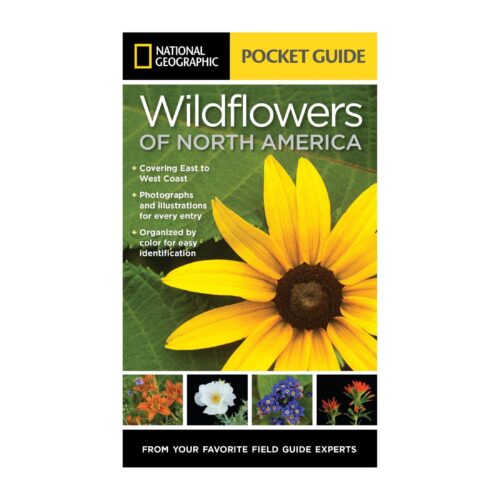
- Field guides to birds, mammals, and wildflowers of North America and the Black Hills region
Every Purchase Makes a Difference
When you shop with Black Hills Parks & Forests Association, you are directly funding:
- Education programs — nature workshops, Junior Ranger activities, and homeschool adventures for kids across the Black Hills
- Trail maintenance — keeping hiking trails safe and accessible at Wind Cave, Jewel Cave, and the Black Hills National Forest
- Visitor services — park store operations, interpretive programs, and the staff who help millions of visitors each year
- Conservation — supporting the long-term health of public lands in the Black Hills and Nebraska
BHPFA is the official nonprofit partner of the National Park Service and U.S. Forest Service in the Black Hills region. We have supported these public lands since 1946.
Additional information
| Weight | 38.7 oz |
|---|---|
| Brand | South Dakota State University |
| Pages | 608 |
| Binding | Softcover |
| ISBN | 9780979718205 |
| Publisher / Manufacturer | South Dakota State University |
| Year Published | 2023 (reprint) |
| Edition | 2023 reprint (first published 1999) |
| Dimensions | 6" x 9-1/8" x 1-1/2" |
| Weight | 38.7 oz |
Note on International Orders
Some countries charge import duties, VAT, or handling fees on delivery. These are set by your local government and are not included in our checkout total. Customers are responsible for paying any such charges before receiving their package.