

Mushrooms and Other Fungi of the Black Hills and Surrounding Area by Audrey Gabel and Elaine Ebbert
$18.95
In stock
Shipping calculated in cart/checkout: Shipping rates for first items start at $7, calculated based on weight of total order.
The only photographic field guide to mushrooms and other fungi written specifically for the Black Hills region. Authors Audrey Gabel and Elaine Ebbert, both affiliated with Black Hills State University, document over 100 species with color photographs and line drawings in 164 pages designed for field use.
- 164 pages, paperback, 6″ x 9″, 11.1 oz
- 100+ species documented with color photographs and line drawings
- Covers edibility, scientific names, growth habits, and habitat locations for each species
- Written for laypersons and amateur mycologists, not specialists
- Published by Black Hills State University Press, Spearfish, SD (2004)
- Proceeds support education, conservation, and visitor services at BHPFA partner parks and forests.
In stock
60-day returns · Ships from South Dakota via USPS
Mushrooms and Other Fungi of the Black Hills and Surrounding Area by Audrey Gabel and Elaine Ebbert
$18.95
In stock
Shipping calculated in cart/checkout: Shipping rates for first items start at $7, calculated based on weight of total order.
The only photographic field guide to mushrooms and other fungi written specifically for the Black Hills region. Authors Audrey Gabel and Elaine Ebbert, both affiliated with Black Hills State University, document over 100 species with color photographs and line drawings in 164 pages designed for field use.
- 164 pages, paperback, 6″ x 9″, 11.1 oz
- 100+ species documented with color photographs and line drawings
- Covers edibility, scientific names, growth habits, and habitat locations for each species
- Written for laypersons and amateur mycologists, not specialists
- Published by Black Hills State University Press, Spearfish, SD (2004)
- Proceeds support education, conservation, and visitor services at BHPFA partner parks and forests.
In stock
60-day returns · Ships from South Dakota via USPS
Real USPS rates, no markup. The money we save funds trail crews and internships.
Join BHPFA for $30 a year -> get your code by email in seconds. -> Use it at checkout today. Show your card at hundreds of nonprofit park stores nationwide for 10% off.
Every item is selected or approved by rangers and staff. Your purchase keeps them on the front lines.
Real USPS rates, no markup. The money we save funds trail crews and internships.
Join BHPFA for $30 a year -> get your code by email in seconds. -> Use it at checkout today. Show your card at hundreds of nonprofit park stores nationwide for 10% off.
Every item is selected or approved by rangers and staff. Your purchase keeps them on the front lines.
Description
About this guide
Mushrooms and Other Fungi of the Black Hills and Surrounding Area is the only photographic field guide dedicated to fungi of the Black Hills region. Audrey Gabel and Elaine Ebbert, both connected to Black Hills State University, produced this 164-page guide for people who want a reference they can actually use in the field rather than a general North American survey that treats the Black Hills as a footnote.
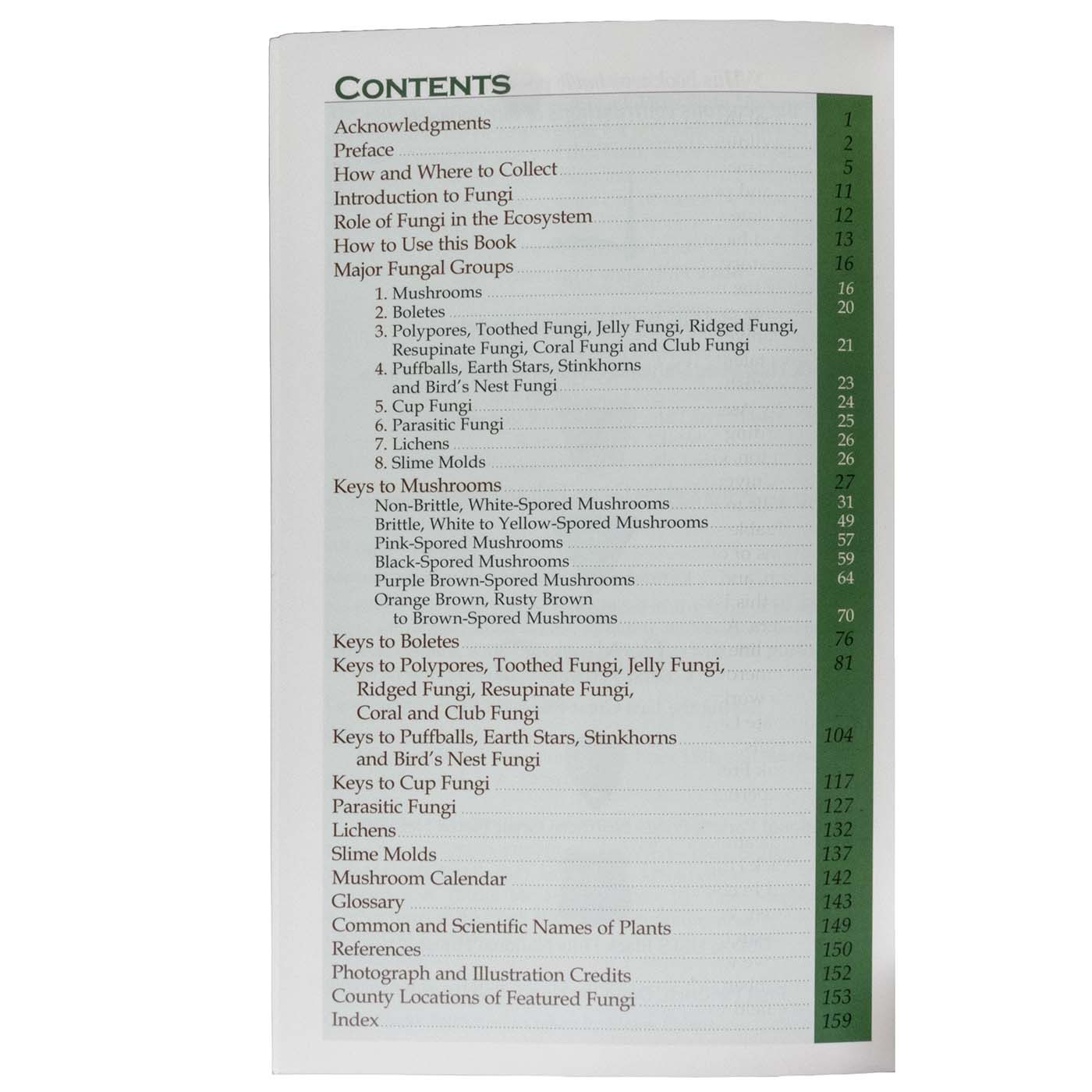
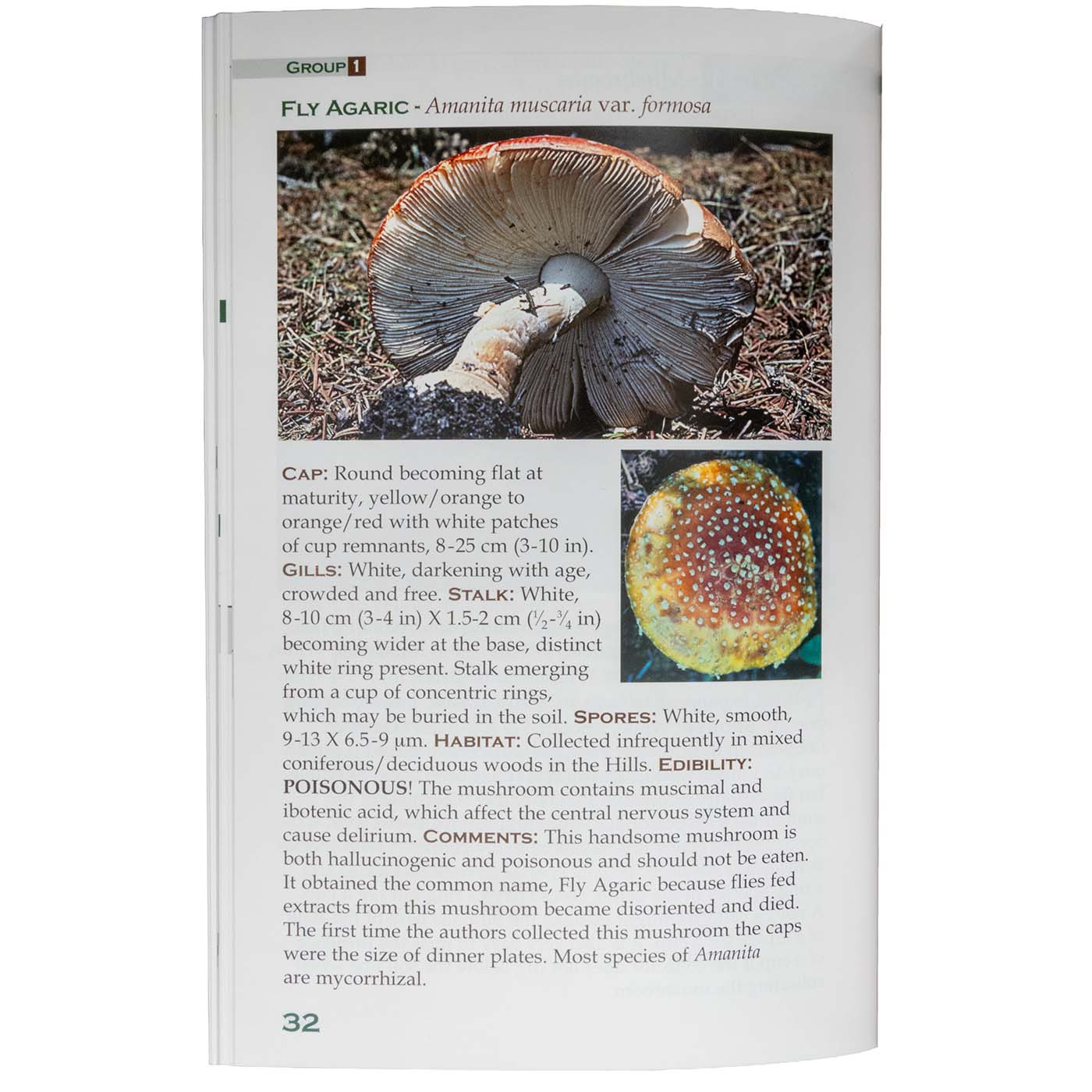
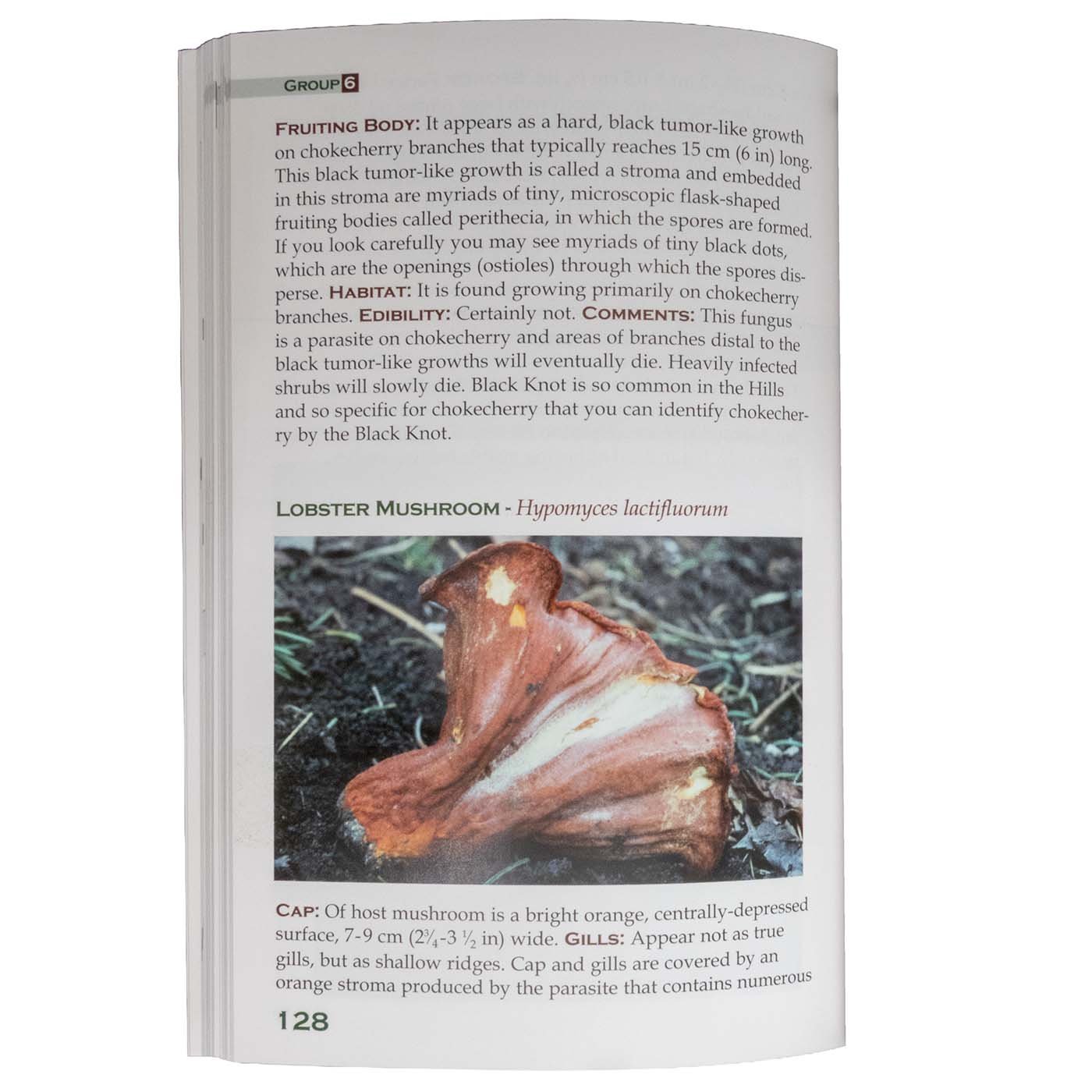
Published by Black Hills State University Press in 2004, the guide covers more than 100 species with color photographs and line drawings. Each species entry includes the common name, scientific name, information on edibility, and notes on growth habits and habitat. The book was written for laypersons and amateur mycologists, which means the entries are practical and readable without requiring a background in mycology to get something out of them.
For foragers, hikers, and naturalists spending time in the ponderosa pine forests and meadows of the Black Hills, this is the reference that covers the actual species you are likely to find here, not the ones you would find in Oregon or Vermont.
What’s inside
- Coverage of 100+ mushroom and fungi species found in the Black Hills and surrounding area
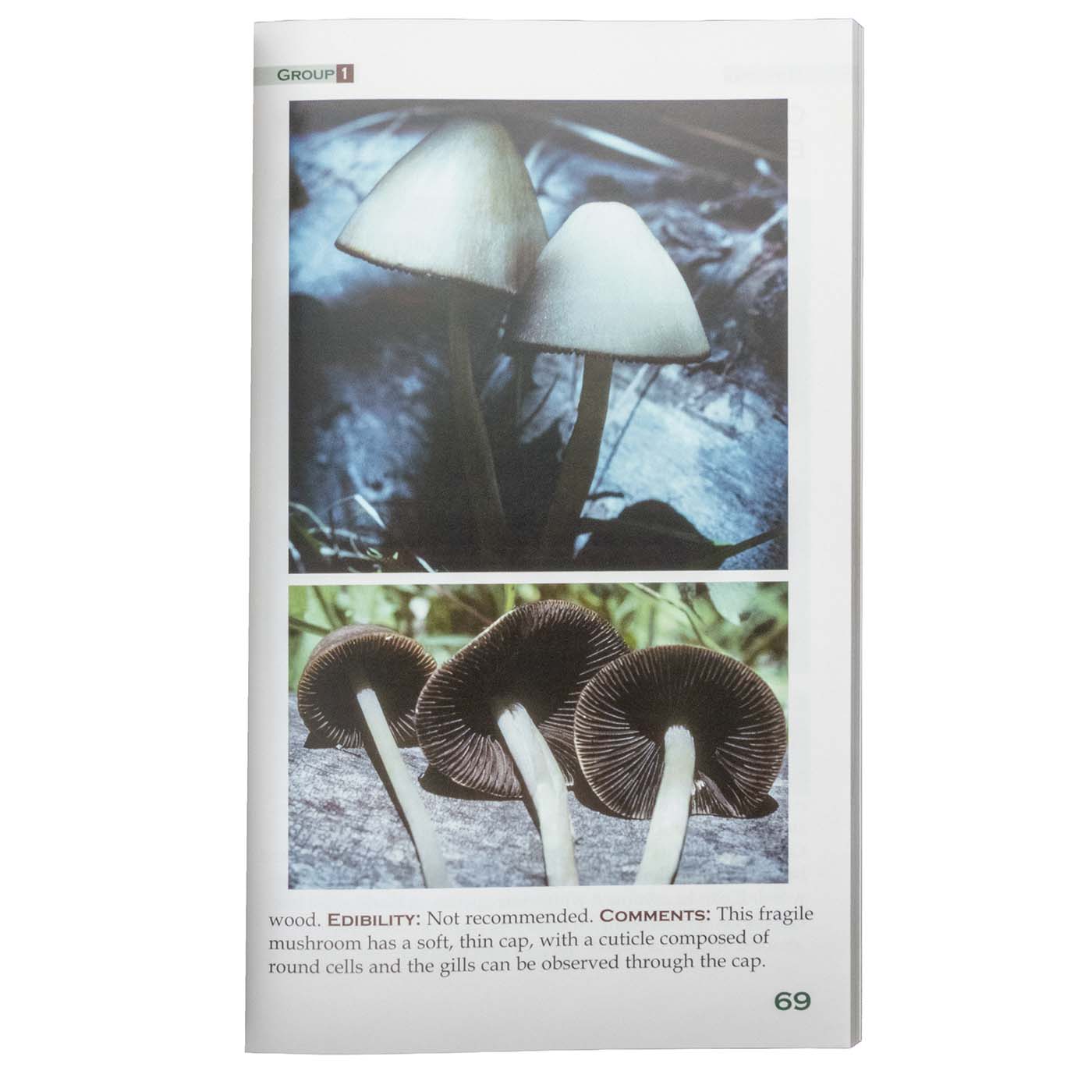
- Color photographs for visual species identification
- Line drawings highlighting key identification features
- Common and scientific names for each species
- Edibility information (edible, inedible, toxic) for each species
- Growth habits and preferred habitat locations
- Guidance on collection methods and practices
Specifications
- Pages: 164
- Dimensions: 6″ x 9″
- Weight: 11.1 oz
- Binding: Paperback
- Publisher: Black Hills State University Press
- Authors: Audrey Gabel and Elaine Ebbert
- ISBN-13: 978-0-913062-32-6
- Published: 2004
- Language: English
Who is this for?
Anyone spending time in the Black Hills who wants to know what they are finding on the trail. Morels, chanterelles, and puffballs all grow in the Black Hills, and so do a number of toxic species that resemble edible ones. A regional guide that tells you what actually grows here is a more useful safety tool than a national survey that covers 1,000 species and leaves you guessing which 30 are local.
Amateur mycologists and foragers looking for a dedicated regional reference. Most mushroom guides on the market are designed for the Pacific Northwest or the northeastern US, where the commercial and hobbyist foraging culture is more developed. This guide addresses a real gap for the northern Great Plains and Black Hills region.
Natural history readers who visit the Black Hills National Forest regularly. The Black Hills is home to ponderosa pine forest, a habitat type that supports a distinct fungal community. If you have field guides for the birds and wildflowers already, this rounds out the collection with the organisms that are often overlooked but are everywhere underfoot.
Frequently asked questions
How many species does this guide cover?
The guide covers more than 100 mushroom and fungi species found in the Black Hills and surrounding area. The focus is on species you are realistically likely to encounter in the region rather than a comprehensive national survey.
Is this a safe guide to use for foraging?
The guide includes edibility information for each species, and it was written with foragers and laypersons in mind. That said, no field guide alone is a substitute for hands-on learning from an experienced forager or mycologist, especially for toxic species that resemble edible ones. Use this guide as one tool among several, not as a standalone safety guarantee.
Are the photographs color?
Yes. The guide includes color photographs for visual identification along with line drawings that highlight key identification features. Color is important for mushroom identification because cap color, gill color, and spore print color are all diagnostic criteria for many species.
What region does this guide cover?
The Black Hills and surrounding area. The Black Hills span parts of western South Dakota and northeastern Wyoming, and the guide was written to cover the species present in that regional ecosystem, including the ponderosa pine forests and meadows that make up much of the Black Hills National Forest.
Is this guide still current? It was published in 2004.
Fungal taxonomy does change over time as DNA analysis leads to reclassifications, and some scientific names in a 2004 guide may have been updated since publication. For amateur identification purposes, the photographs and habitat descriptions remain valid. If you are doing serious taxonomic work, cross-reference with a current mycological database. For field identification and foraging in the Black Hills, this guide covers the relevant species accurately.
Does buying this support the Black Hills National Forest?
Yes. BHPFA is the official nonprofit partner of Wind Cave National Park, Jewel Cave National Monument, Scotts Bluff National Monument, and Agate Fossil Beds National Monument, as well as the Black Hills National Forest and Nebraska National Forests and Grasslands. Proceeds from every purchase support education programs, conservation projects, and visitor services at these sites.
Is this available anywhere else, or only through BHPFA?
This is a regional publication from Black Hills State University Press with limited distribution. BHPFA is one of the primary retail outlets for this guide in the Black Hills area. It is not widely stocked by national retailers.
Is there a digital version?
No. This is a print-only publication. There is no e-book or app version available.
About the Black Hills National Forest
The Black Hills National Forest covers approximately 1.25 million acres across western South Dakota and northeastern Wyoming. It includes Black Elk Peak (7,242 feet, the highest point east of the Rockies), Spearfish Canyon, Pactola Reservoir, and the Sylvan Lake area. The forest is managed by the US Forest Service and supports a distinct ponderosa pine ecosystem with a fungal community that differs substantially from either the Pacific Northwest or the Upper Midwest.
Every Purchase Makes a Difference
When you shop with Black Hills Parks & Forests Association, you are directly funding:
- Education programs — nature workshops, Junior Ranger activities, and homeschool adventures for kids across the Black Hills
- Trail maintenance — keeping hiking trails safe and accessible at Wind Cave, Jewel Cave, and the Black Hills National Forest
- Visitor services — park store operations, interpretive programs, and the staff who help millions of visitors each year
- Conservation — supporting the long-term health of public lands in the Black Hills and Nebraska
BHPFA is the official nonprofit partner of the National Park Service and U.S. Forest Service in the Black Hills region. We have supported these public lands since 1946.
Additional information
| Weight | 13 oz |
|---|---|
| Brand | Black Hills State University Press |
| Pages | 164 |
| Binding | Paperback |
| ISBN | 9780913062326 |
| Publisher / Manufacturer | Black Hills State University Press |
| Year Published | 2004 |
| Dimensions | 6" x 9" |
| Weight | 11.1 oz |
Note on International Orders
Some countries charge import duties, VAT, or handling fees on delivery. These are set by your local government and are not included in our checkout total. Customers are responsible for paying any such charges before receiving their package.